


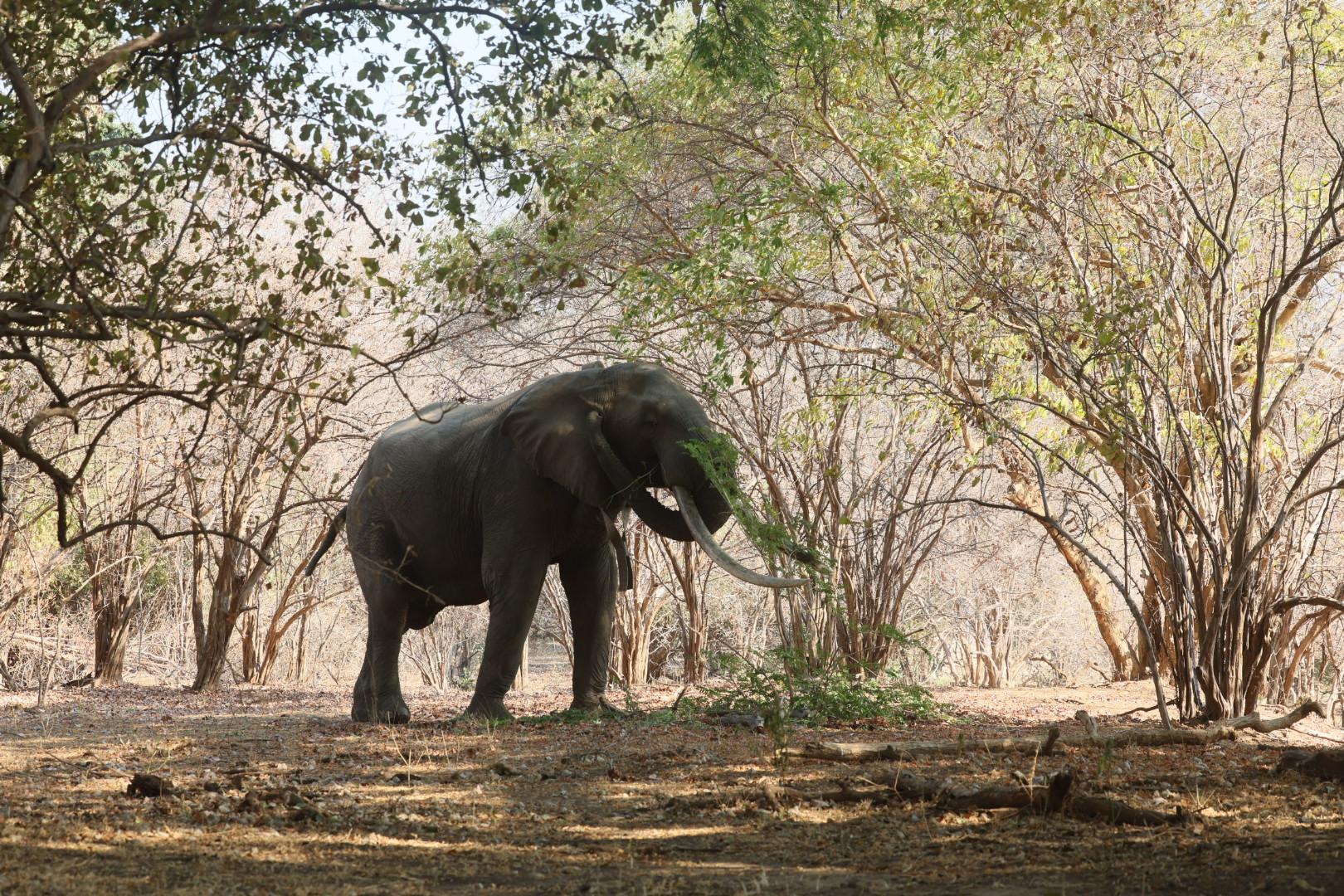
The Story of Boswell: Zimbabwe’s Most Famous Elephant
Meet the legendary tusker of Mana Pools National Park
There are elephants, and then there is Boswell. For more than half a century, this iconic bull has roamed the floodplains of Mana Pools in northern Zimbabwe, earning a reputation that stretches far beyond Zimbabwe’s safari circles. To some, he is a conservation symbol. To others, a wildlife celebrity. But to those fortunate enough to encounter him in person, Boswell is something rarer still - a reminder of just how intelligent, adaptive and extraordinary animals can be. Today, Boswell is widely considered the most famous elephant in Zimbabwe, and perhaps in all of Southern Africa.
The Elephant Who Stands on Two Legs
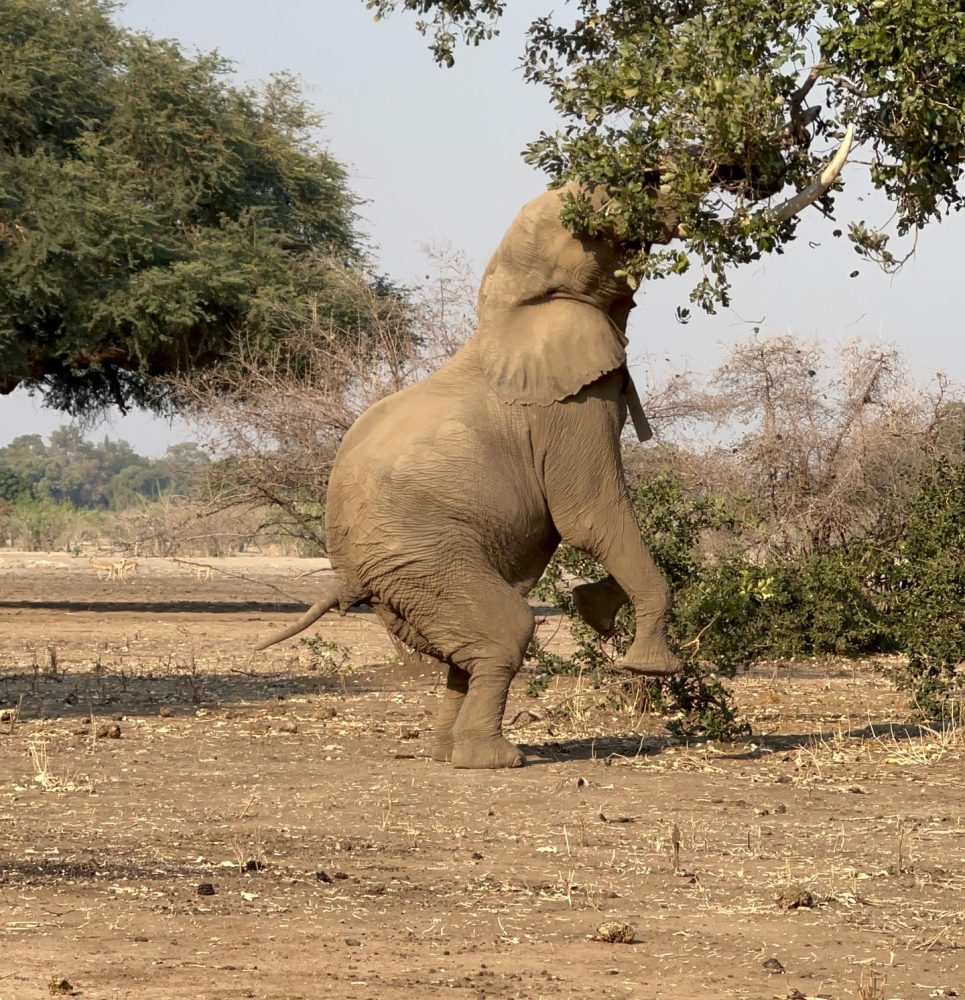
Boswell is best known for an unusual behaviour witnessed in only a handful of elephants worldwide: standing upright on his hind legs to feed.
Weighing close to five tonnes and carrying an enormous pair of tusks, Boswell somehow shifts his weight backwards, balancing on two hind legs while stretching his trunk high into the canopy. This remarkable technique allows him to reach nutrient-rich seed pods growing in the upper branches of albida acacia trees, also known as winterthorn trees.
It’s an astonishing sight to witness in person – one that has made Boswell something of a YouTube sensation over the years. His name, fittingly, comes from a famous South African circus, a nod to the almost acrobatic nature of his feeding display. Boswell can also be recognised by his distinctive stumpy tail, believed to have been lost during an encounter with a crocodile earlier in life.
A Tradition Passed Through Generations
What makes Boswell particularly fascinating is that this behaviour does not appear instinctive. It is believed to be learned.
A handful of elephants have mastered the ability to stand upright in this way, suggesting that the knowledge may have been passed between generations over many decades. Researchers and guides have observed younger bulls following Boswell closely, seemingly learning by imitation.
In this way, Boswell is more than simply a famous elephant – he’s part of a rare cultural tradition within Mana Pools’ elephant population.
Surviving Against the Odds
Boswell’s lifetime spans one of the most turbulent periods in Zimbabwe’s conservation history. Mana Pools became a UNESCO World Heritage Site in 1988, recognised globally for its extraordinary biodiversity and pristine wilderness. But in the years that followed, political instability and economic collapse severely impacted tourism and conservation funding across Zimbabwe.
As black rhino populations disappeared under poaching pressure, elephants increasingly became targets for the ivory trade. Many of the region’s great tuskers were lost during this time.
Amazingly, Boswell survived.
Today, he remains one of the last iconic large-tusked bulls in the Zambezi Valley – a living symbol of resilience in a landscape that has experienced significant elephant population decline over the past two decades.
Across Africa, elephant numbers have fallen dramatically over the last century, from an estimated three million animals in the early 1900s to roughly 415,000 today. Conservation organisations working in the Zambezi Valley continue to fight against poaching and habitat pressure to protect elephants like Boswell for future generations.
More To Mana Than Just a Famous Elephant
While Boswell may be Mana Pools’ best-known resident, the park itself is equally extraordinary. Situated along the Zambezi River, which forms the natural border between Zimbabwe and Zambia, Mana Pools is named after four oxbow lakes created by ancient river channels. The word “Mana” means “four” in Shona.
Beyond its famous elephants, the park is celebrated for its floodplains, towering riverine forests, and cathedral-like woodlands where winterthorn and mahogany trees stretch high above the earth. It is a landscape that feels both ancient and deeply alive.
This is also one of Africa’s great walking safari destinations, where guests can experience the wilderness at ground level alongside some of Zimbabwe’s highly respected professional guides.
See Boswell with the Expert Guides at Molori Mashuma
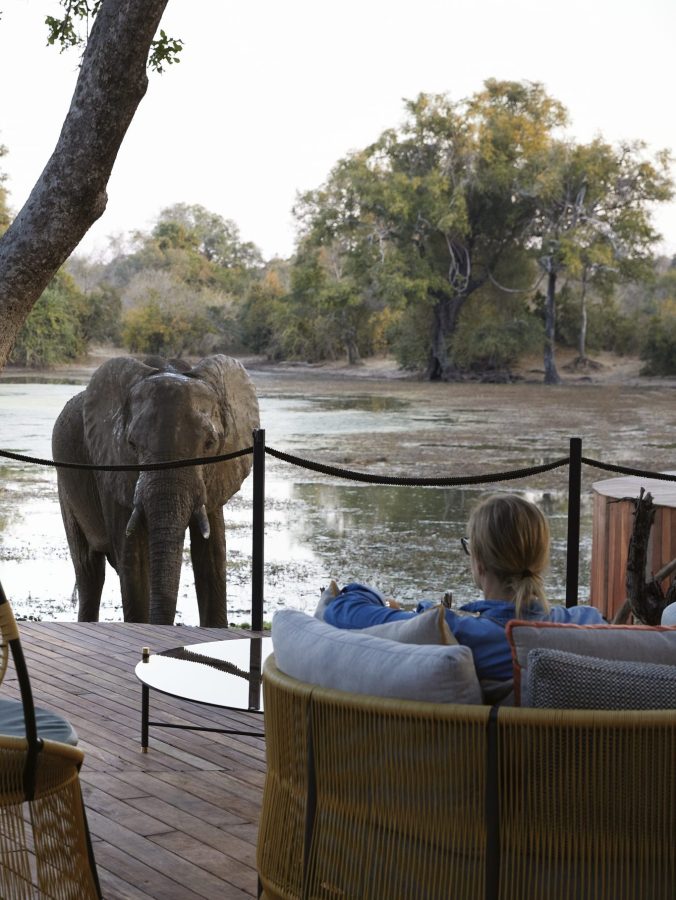
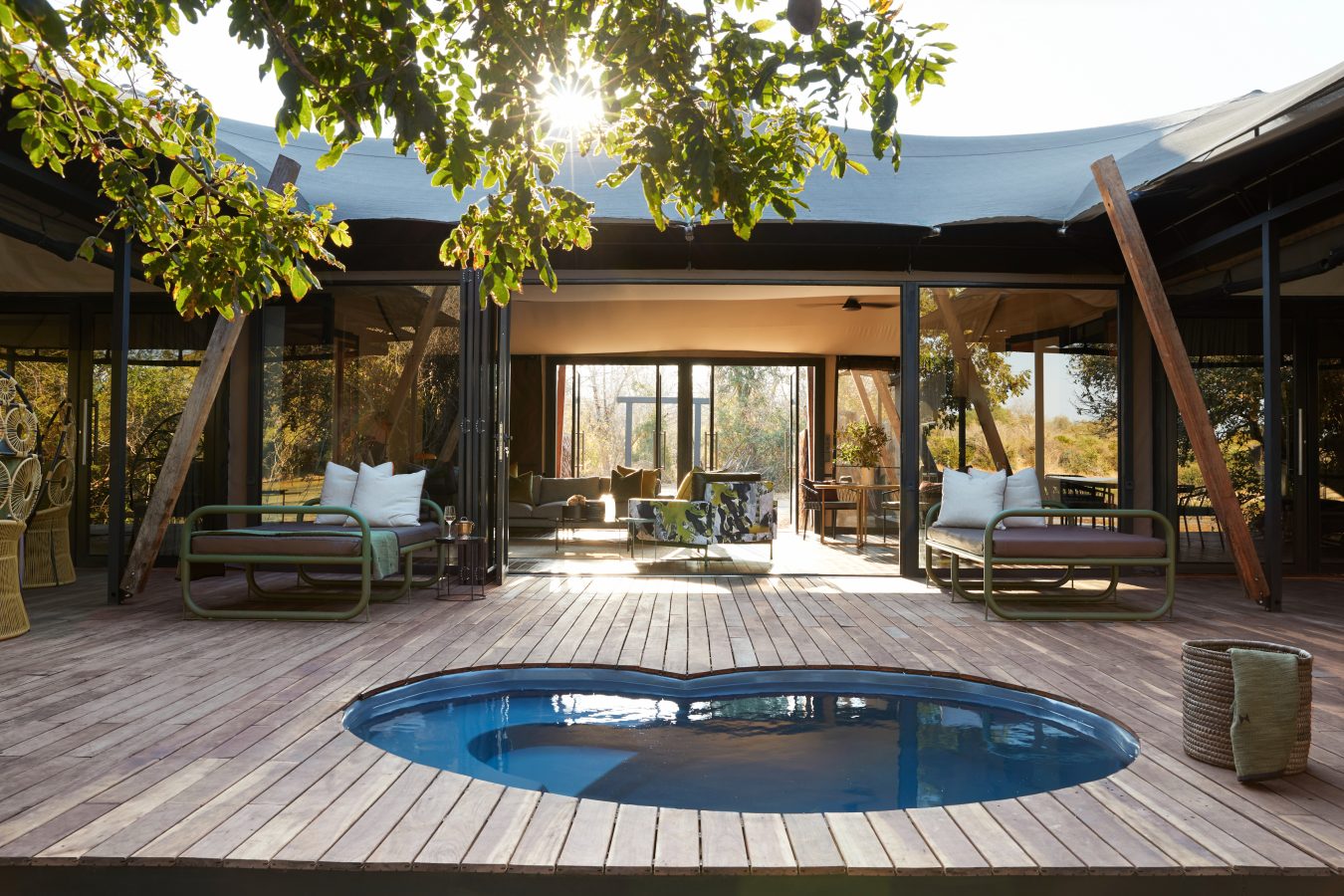
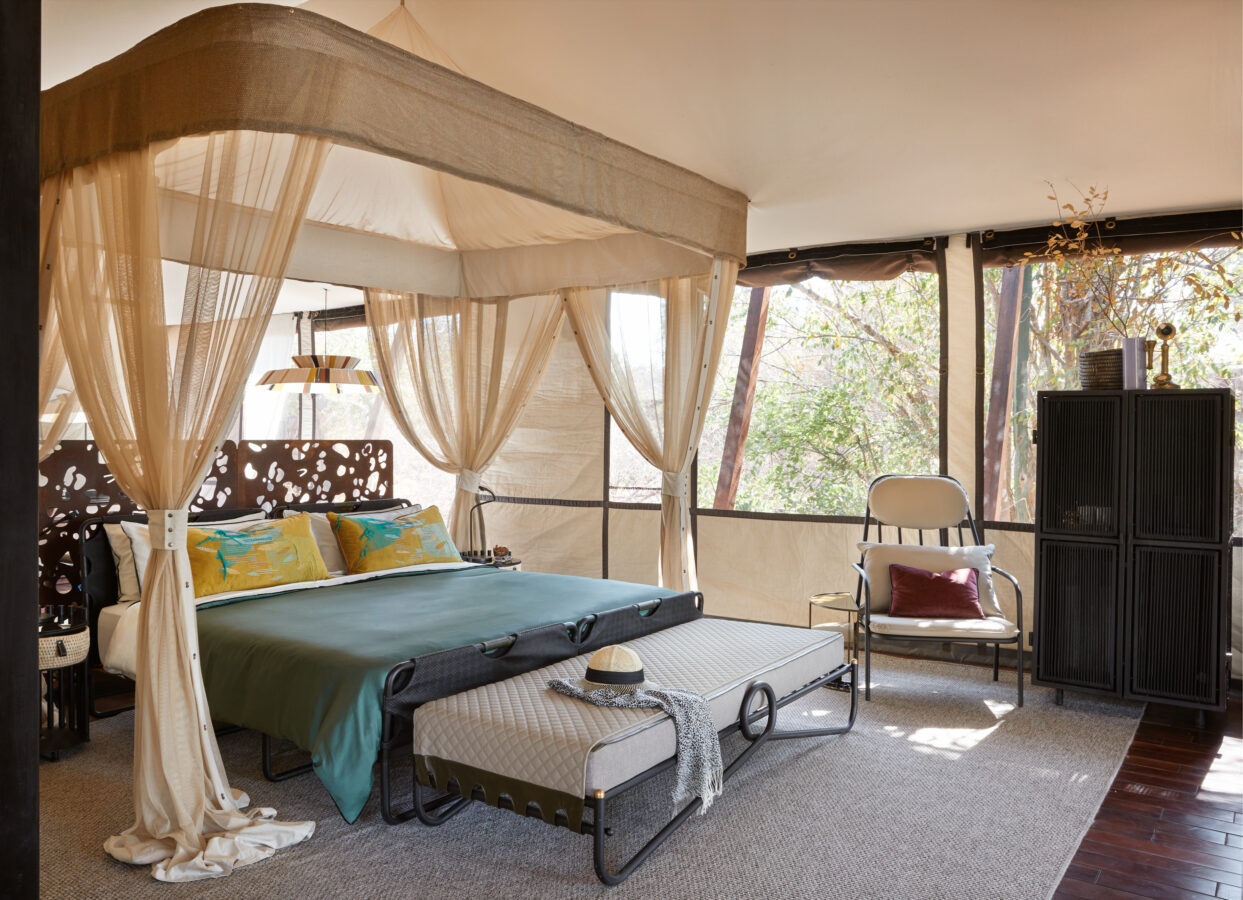
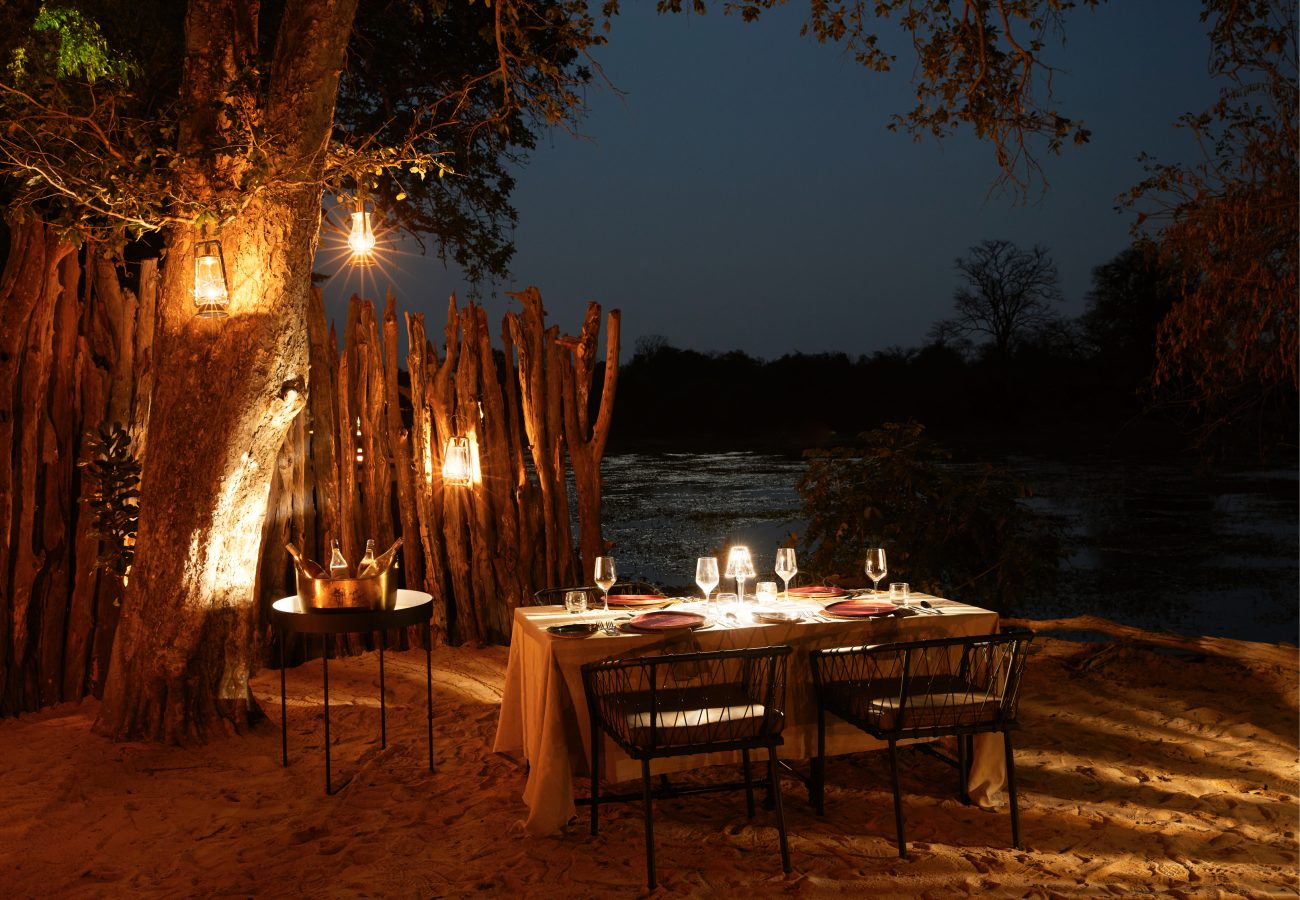
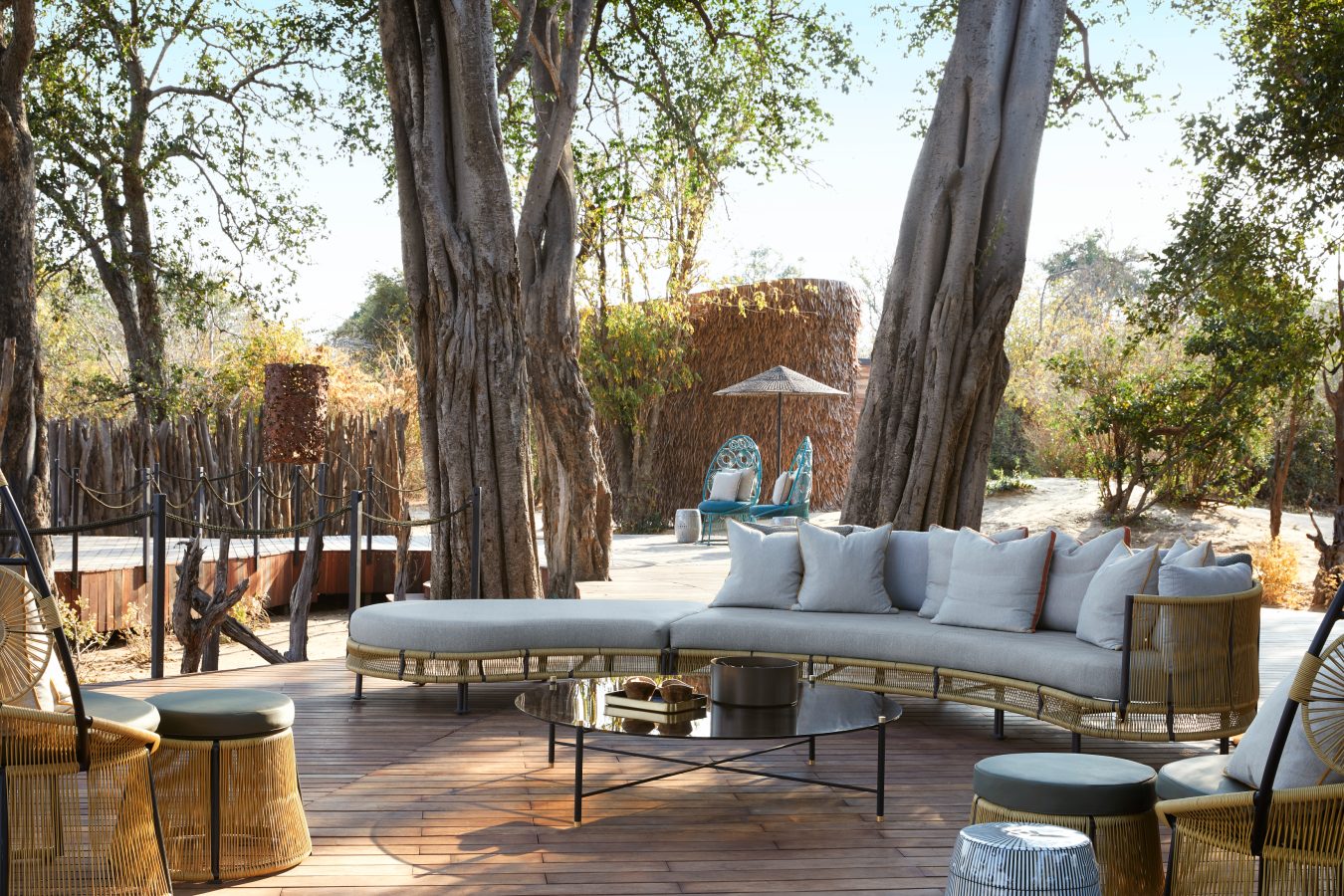
Located on a private concession overlooking Mashuma Pan, Molori Mashuma offers a refined wilderness experience in the heart of Mana Pools National Park.
From guided walking safaris to exceptional game drives, guests have the opportunity to explore one of Africa’s most remarkable ecosystems with experienced Zimbabwean guides who understand the movements and behaviours of the area’s wildlife intimately.
And while sightings can never be guaranteed, few safari experiences compare to watching Boswell emerge quietly from the woodland before rising onto his hind legs beneath the winterthorn trees.
If you would like to experience the magic of Mana Pools and explore this legendary landscape for yourself, our team at Molori Mashuma would be delighted to assist. Complete our enquiry form or contact reservations@molorisafari.com to begin planning your safari.



FAQs
Boswell is a famous bull elephant living in Zimbabwe’s Mana Pools National Park, known for standing on his hind legs to reach seed pods high in the trees.
Boswell became famous for his unusual feeding behaviour, massive tusks, and long-standing presence in Mana Pools, making him one of Africa’s best-known elephants.
Boswell is estimated to be around 70 years old.
A small number of bulls in Mana Pools have learned to stand upright in order to reach nutrient-rich seed pods high in winterthorn trees.
While sightings are never guaranteed, Boswell is regularly seen in Mana Pools National Park, particularly around the floodplain woodlands.
